1981
NDI was born. Founded by University of Waterloo students, NDI started by creating custom scientific instruments for industrial measurement.
1984
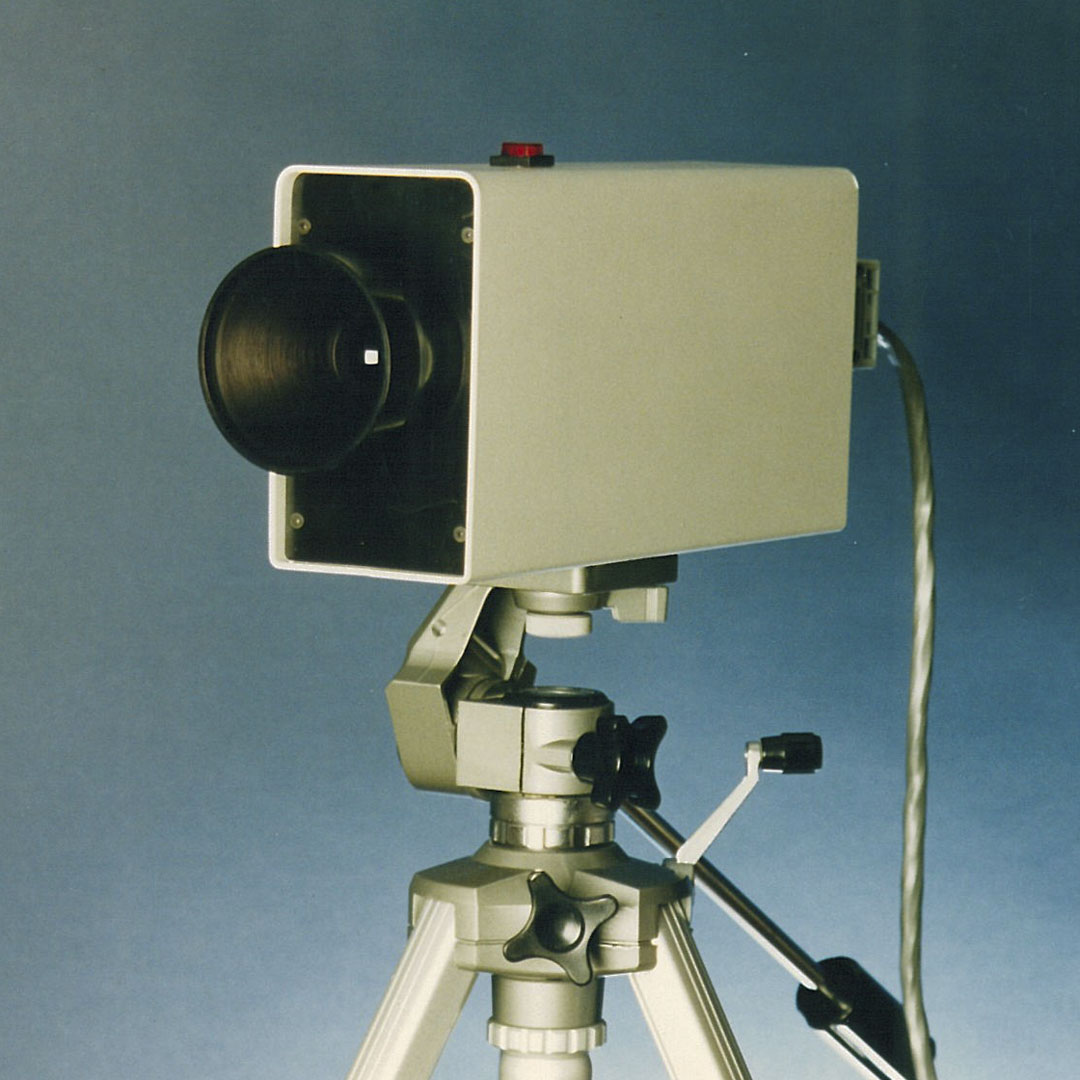
Launch of WATSMART®, NDI launched its first 3D real-time Optical system. It introduced real-time Optical measurement of motion.
1990
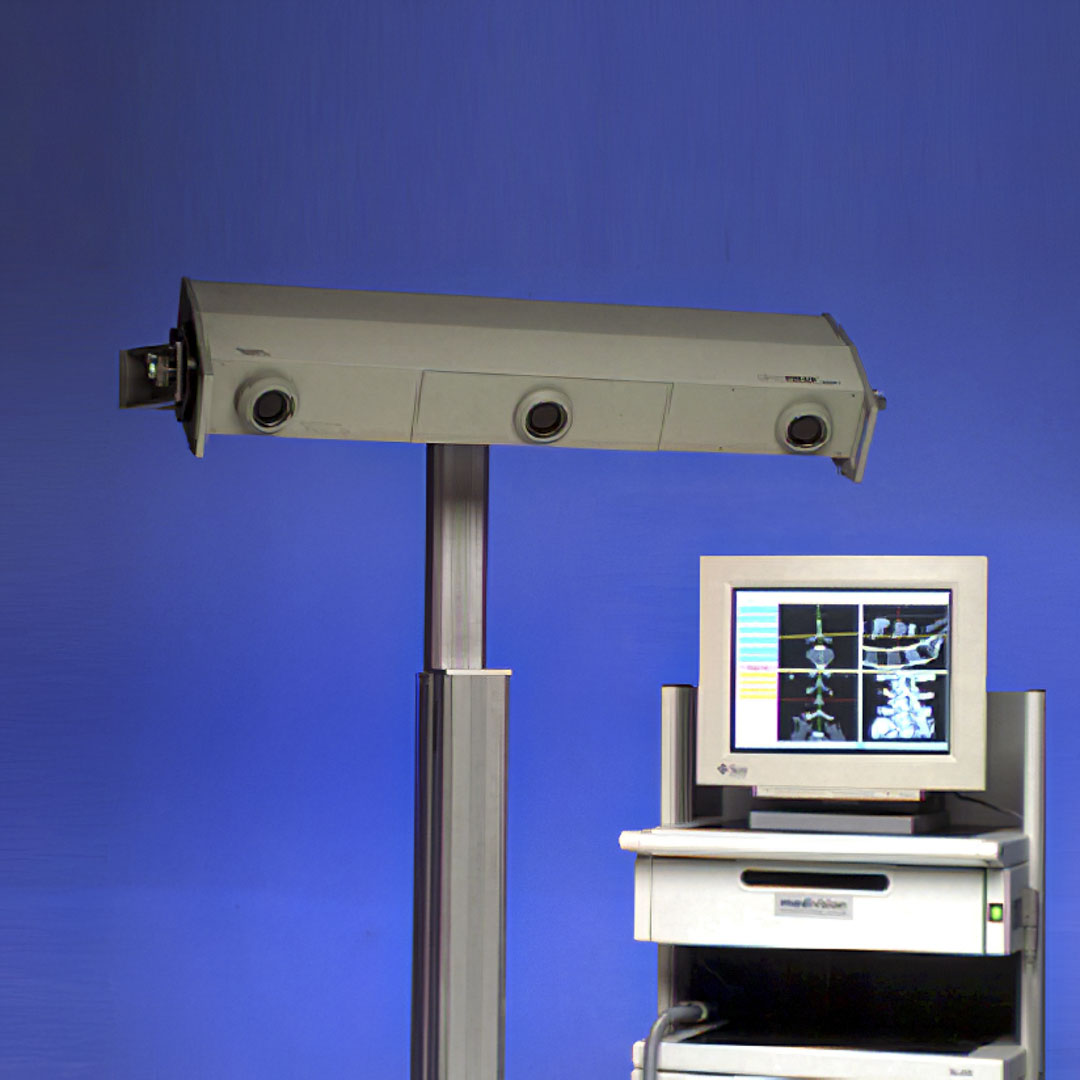
Introduction of Optotrak®, the market leader in 3D Optical tracking offering 6DOF real-time measurement.
1996
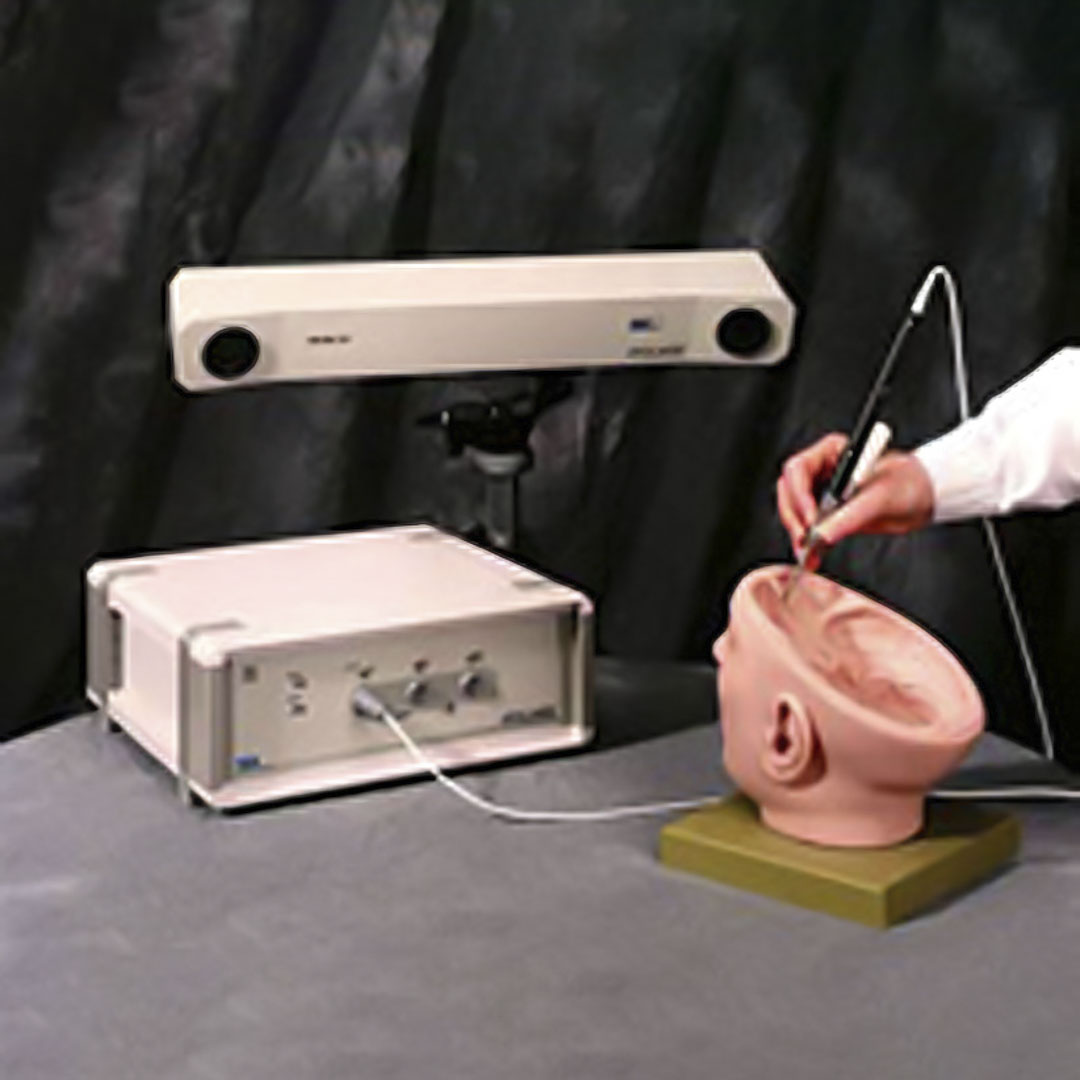
Launch of Polaris®, a smaller, lighter Optical tracking platform designed for integration into OEM navigation systems.
2001
NDI opens European office in Radolfzell, Germany.
2002
NDI acquires Mednetix AG, opens its expanded international HQ in Waterloo and NDI Asia Pacific office opened in Hong Kong for sales.
2003
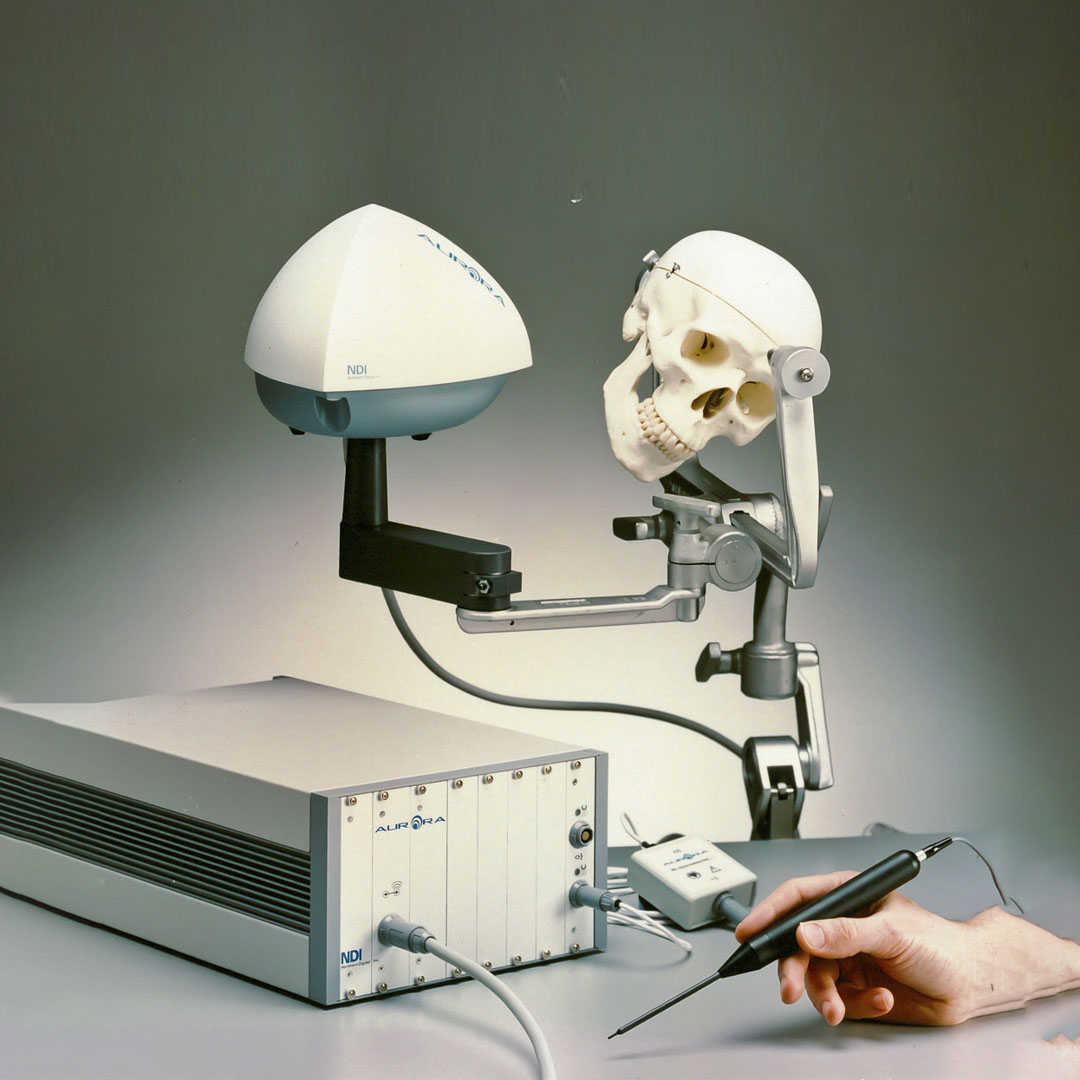
Debut of Aurora®, NDI’s first magnetic tracking system through joint development with Mednetix AG.
2005–2006
Launch of Polaris Vicra® and Polaris Spectra® to support compact spaces and higher tracking performance.
2008
Introduction of Radix™ Lens.
2011
NDI is acquired by Roper Industries (later Roper Technologies), expanding its footprint in medical tracking.
2012
NDI acquires Ascension Technology Corp. to strengthen EM tracking capabilities and establish Vermont location.
2016
Polaris Vega® is launched, with enhanced features for OEM integration including integrated video capability and radiation hardening.
2019–2020
Polaris Vega® ST (a refresh of Polaris Vega®), VT (with video capability) and XT (our highest speed version to date) were introduced for integration into OEM platforms requiring faster speeds and greater accuracy.
2021
All System Interface Units (SIU) are migrated to a new architecture. All SIUs now share the same firmware and are fully compatible with one another.
2021
NDI’s smallest sensor measuring 0.3×2.5mm is fully developed, introducing a new generation of manufacturing technology.
2023
Polaris Lyra® is launched as the successor to Polaris Vicra®, with improved tracking volume and measurement rate.
2023
NDI offers a selection of pre-assembled sensor assemblies for integration into customer instruments.
2025
Launch of Planar FG 20-20 X2, an improved version of the popular Planar 20-20 field generator: thinner, lighter, with better accuracy.
Today
NDI holds over 45,000 installations worldwide and remains an established provider of Optical and Electromagnetic tracking technologies.




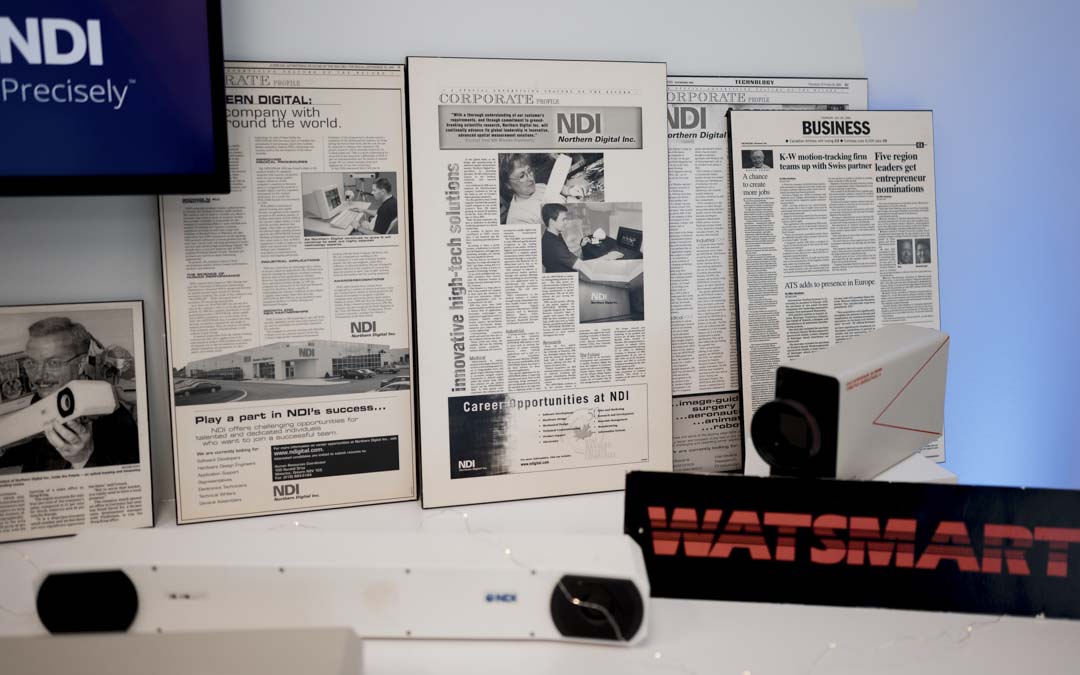 Founded in 1981 by Jerry Krist, NDI began in a basement with a small team of practical, hands-on University of Waterloo graduates who brought curiosity, technical skill, and a collaborative mindset to every challenge. Initially focused on precision tools for industrial measurement, the team soon saw broader potential for their work. In 1984, partnering with the university’s Department of Kinesiology, they developed WATSMART, NDI’s first Optical motion tracking system, a breakthrough that reshaped how human movement was studied in labs and clinics. That early innovation laid out the groundwork for decades of progress in research and medicine. Built on the same spirit of exploration and problem-solving that shaped its beginnings, NDI remains a pioneer in motion tracking.