



Electromagnetic Tracking for ENT Navigation
As ENT procedures advance across sinus navigation, skull base surgery, and minimally invasive interventions, OEMs are integrating Electromagnetic (EM) tracking to support real-time localization of instruments within complex and delicate anatomy. Aurora® EM tracking from NDI provides continuous position and orientation data that supports advanced navigation workflows for endoscopic sinus surgery, skull base procedures, and CT-guided instrument localization.
OEMs Navigate with Anatomical Imaging and Continuous Instrument Tracking With Aurora®
Aurora provides the real-time localization layer that connects pre-procedure CT imaging and continuous instrument tracking inside OEM-integrated ENT navigation workflows.
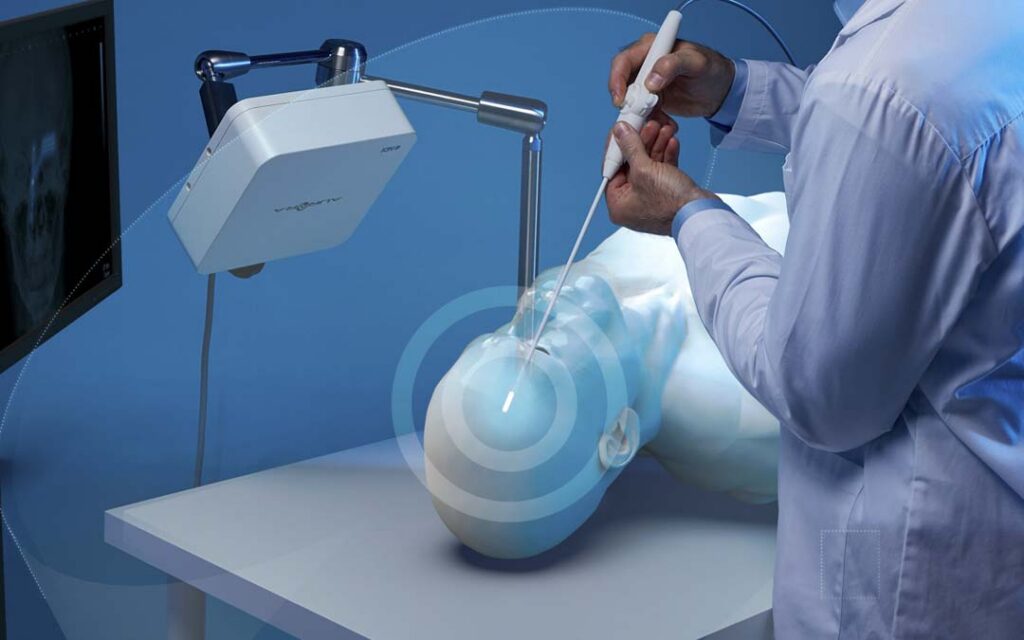
Tip Tracking
Real-Time Position Data for Endoscopes and Instruments. Aurora provides continuous positional data for endoscopes, shavers, debriders, suction tubes and probes as they navigate through narrow sinus pathways and skull base anatomy. EM tracking provides real-time localization data for instrument tips relative to CT-derived anatomical structures, supporting spatial awareness beyond the endoscopic field of view.
Image Fusion
EM Data for Patient Registration. Aurora supplies real-time spatial data that OEM platforms can use to register and maintain alignment between pre-procedural imaging datasets and the patient’s anatomy during the procedure. This supports combined visualization from imaging and real-time instrument position on a single display, enabling OEMs to design navigation systems that maintain registration throughout the procedure.
Electromagnetic Tracking for ENT Navigation
Aurora integrates into OEM ENT navigation systems to provide real-time instrument localization across sinus, skull base, and endoscopic workflows. (Representative OEM Devices: Examples shown are representative of common OEM integrations.)
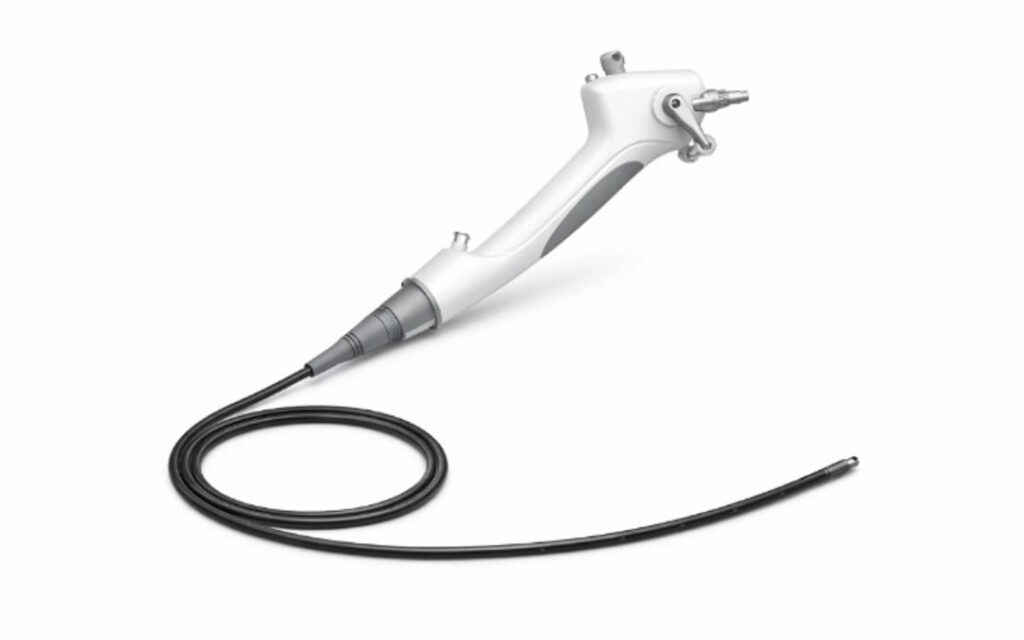
Endoscope
In OEM systems, EM‑tracked endoscopes can be used to support navigation beyond the scope of camera.
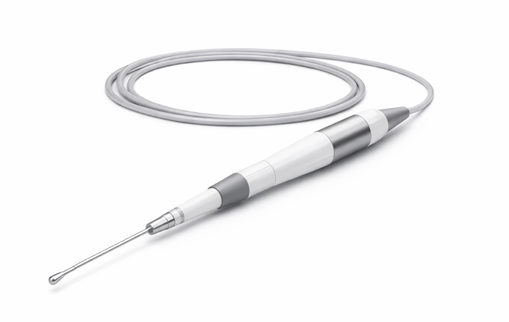
Registration Probe
In OEM systems, EM‑tracked registration probes can be used to acquire positional data for trajectory planning and registration workflows.
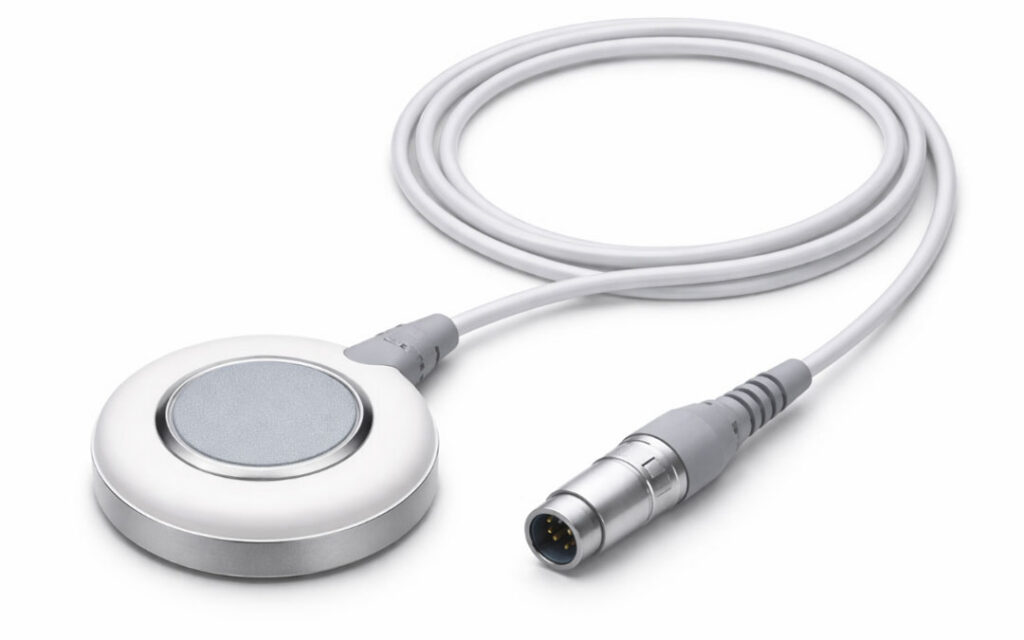
Patient Reference
In OEM systems, EM‑tracked reference sensors can be used as positional references during image fusion workflows.
Recommended Products
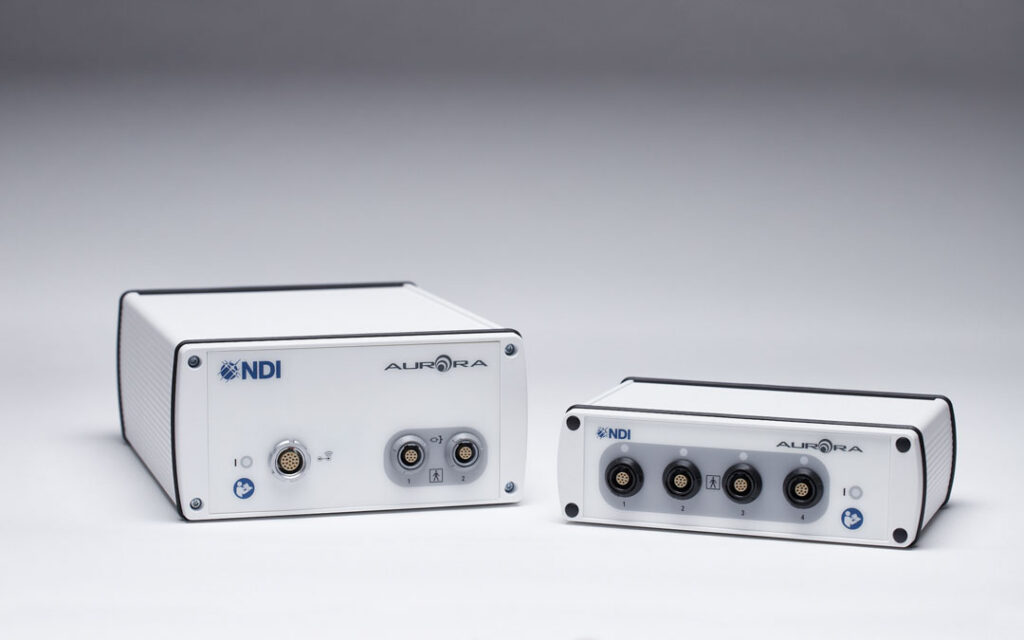
Aurora Electronics Units
Designed for low-cost 5DOF tracking of disposable tools.
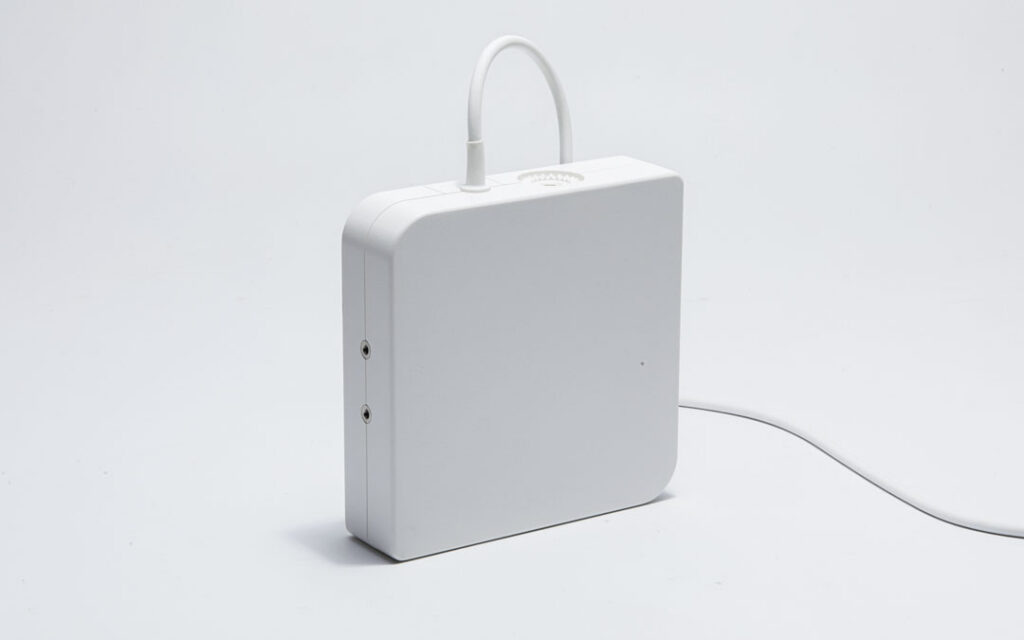
Aurora Planar 20-20 X2
Mounts to bedside or patient chair and can track in challenging environments. The X2 delivers a reduction in position error from powered tool interference.
Aurora Sensors
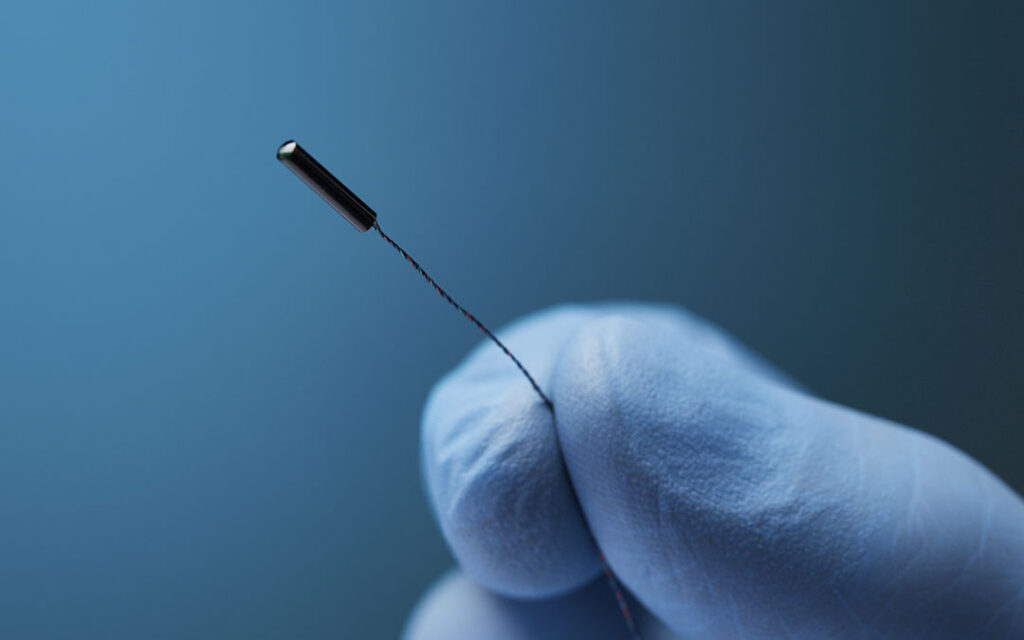
Endoscope sensors
Popular Choice: 6DOF Solid Sensor
Facilitates rotation tracking for an endoscope that navigates difficult structures where rotation tracking is needed.
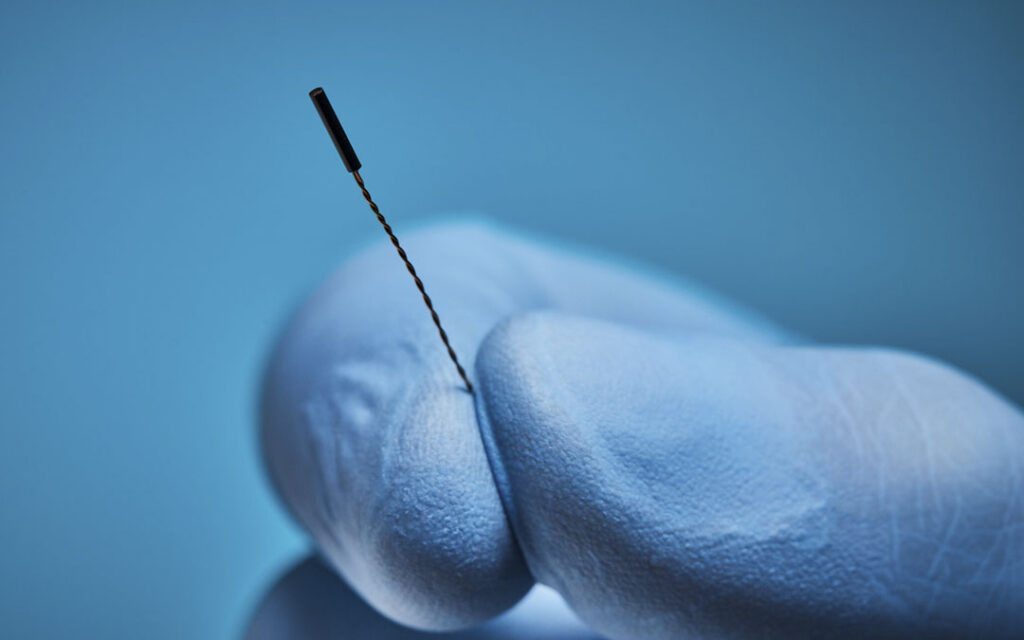
Registration Probe Sensors
Popular Choice: 6DOF Solid Sensor
Enables precise registration for mapping the patient’s anatomy.
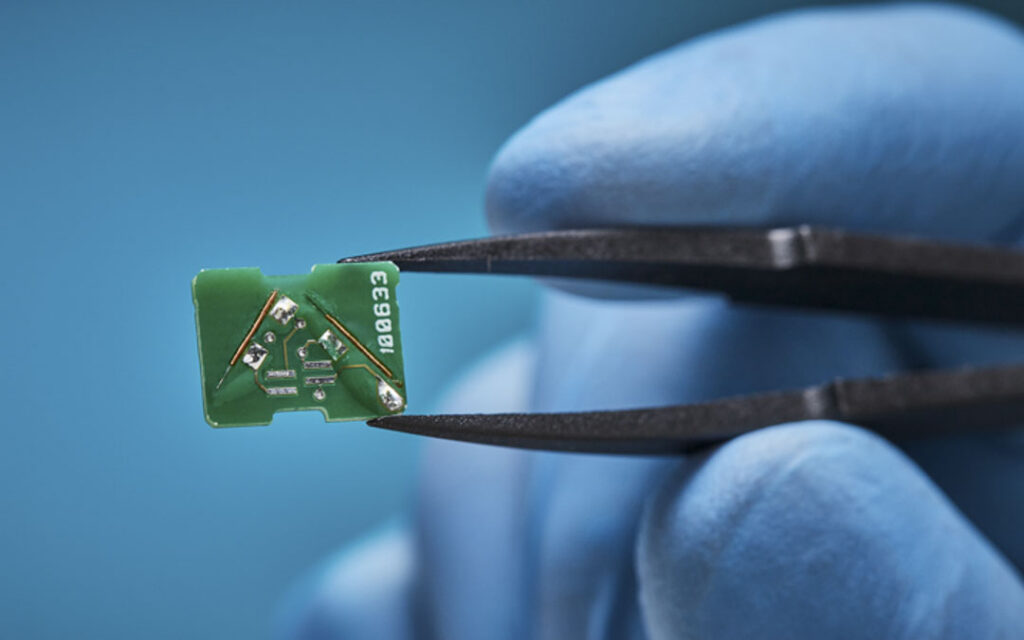
Patient Reference Sensors
Popular Choice: PCB Sensor
Delivers the strongest signal for consistent and reliable image fusion.
Developing an Image-Guided ENT Navigation System?
Connect with our Product Integration team to identify the right Aurora tracking configuration for your sinus or skull base navigation platform.
Frequently Asked Questions: Optical Tracking for Ears, Nose, Throat Navigation
Why does tracking matter in ENT surgery?
ENT procedures involve instruments operating within narrow, complex anatomy where endoscopic imaging provides only a local field of view. Standard imaging does not continuously represent instrument tip position as tools advance through narrow sinus pathways or approach the skull base. Electromagnetic tracking addresses this gap by providing continuous, real-time localization of instrument tips relative to pre-procedural CT imaging. For OEMs developing ENT navigation platforms, EM tracking provides data that supports: real-time spatial awareness within complex sinonasal anatomy, CT-to-patient registration for navigated endoscopic workflows, and OEM navigation systems that incorporate continuous EM tracking data may design workflows intended to support spatial orientation in complex anatomy, as determined by the OEM system’s intended use and clinical validation. As image-guided surgery adoption grows in ENT, continuous instrument tracking is becoming a foundational capability in navigation system design.
What types of ENT procedures does NDI electromagnetic tracking support?
NDI Aurora supports OEM development of image-guided navigation systems for functional endoscopic sinus surgery (FESS) and endoscopic skull base procedures. Aurora provides real-time instrument localization within the narrow, complex anatomy of the sinuses and skull base.
Why is electromagnetic tracking used in ENT instead of optical tracking?
ENT procedures involve instruments operating within narrow, confined anatomy where direct line of sight between the instrument and an external camera is not available. Electromagnetic tracking does not require line of sight, making it suitable for tracking endoscopes, probes, and other instruments inside the sinuses and skull base.
How does Aurora support functional endoscopic sinus surgery?
Aurora provides continuous, real-time position data for instruments relative to CT-based sinus anatomy. This provides positional data that OEM navigation systems incorporate into their instrument tracking workflows. Spatial awareness relative to critical anatomical structures is a function of the OEM system’s navigation software design and validated intended use.
Which Aurora field generators are recommended for ENT procedures?
The Planar 20-20 X2 is recommended for ENT workflows. It mounts to bedside or patient chair and can track in challenging environments. The X2 delivers a reduction in position error from powered tool interference, which is relevant for ENT procedures that use powered instruments such as shavers and debriders.
What is the smallest sensor NDI offers for ENT instruments?
Aurora supports sensors with diameters as small as 0.3 mm, enabling integration into endoscopes, probes, debriders, and other ENT instruments where minimal sensor size is critical. Both 5DOF and 6DOF configurations are available.