Tracking with Aurora®
The complete Aurora® Electromagnetic tracking system relies on three primary components working together: Electronics Units (System Control Unit + Sensor Interface Unit), a Field Generator and Sensors.
Aurora® Electronics Units
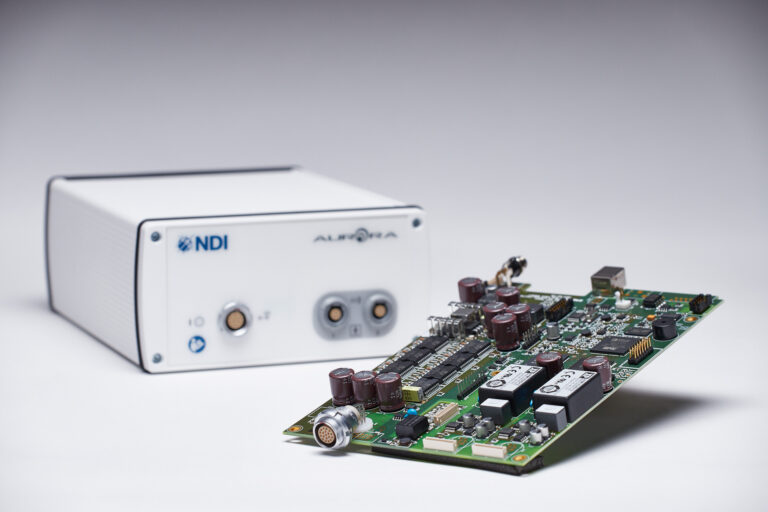
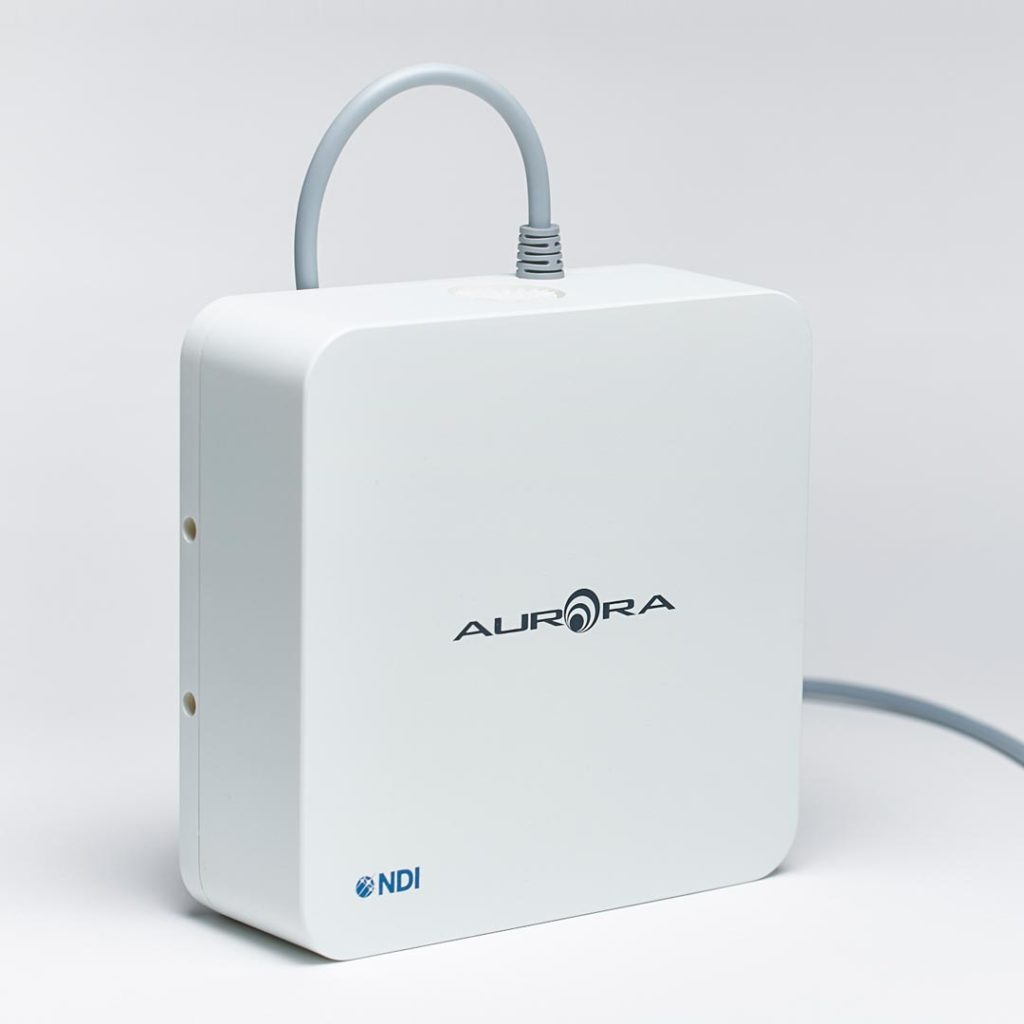
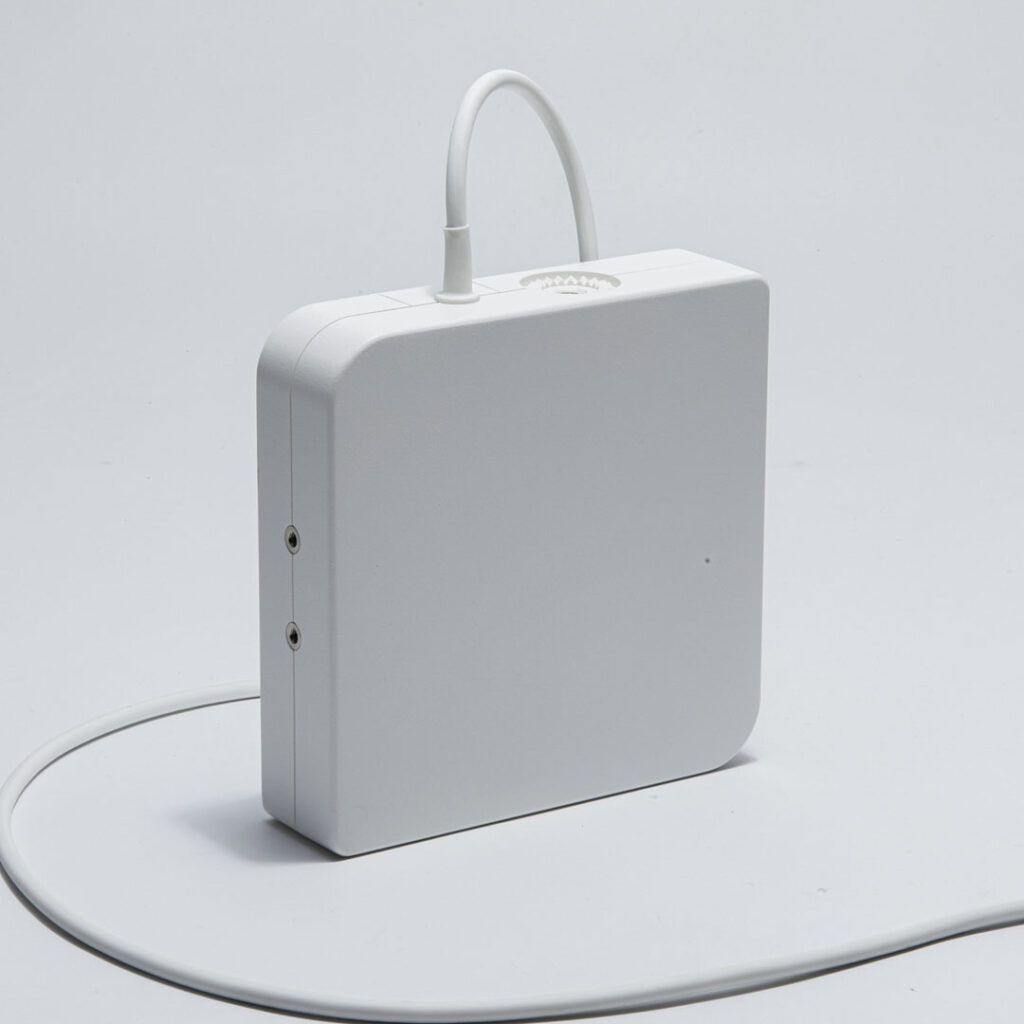
System Control Unit + Sensor Interface Unit
The System Control Unit (SCU) controls the Field Generator, gathers data from the Sensor Interface Unit (SIU), calculates sensor position and orientation and interfaces with host computer. The Sensor Interface Unit amplifies and digitizes electrical signals from the sensor for accurate processing.
Both the SCU and the SIU are required for the Aurora System
System Control Unit
Available in enclosed or PCB configurations for flexible system integration.
- Enclosed SCUs come in both black and white housing
- PCB’s offered with header or LEMO connection ports
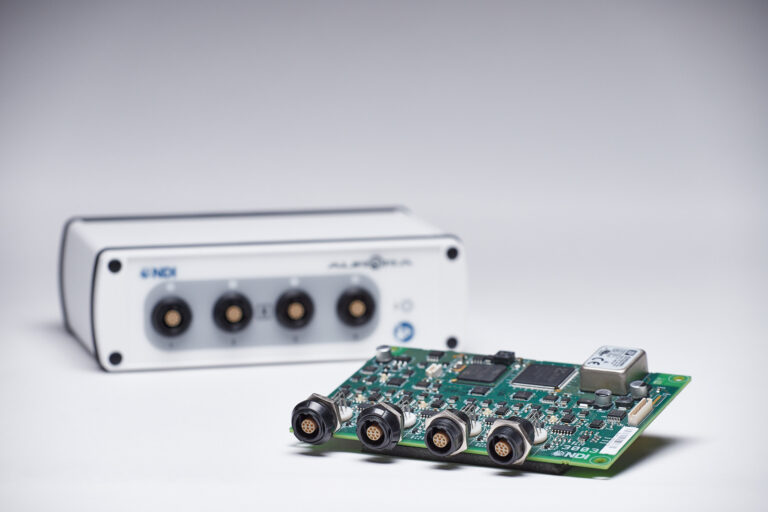
Sensor Interface Unit
Available in enclosed or PCB configurations with multiple sensor port options.
- Enclosed SIUs support 4 sensor ports
- PCB SIUs support 2, 4, 6 or 8 sensor ports with various connection types for development
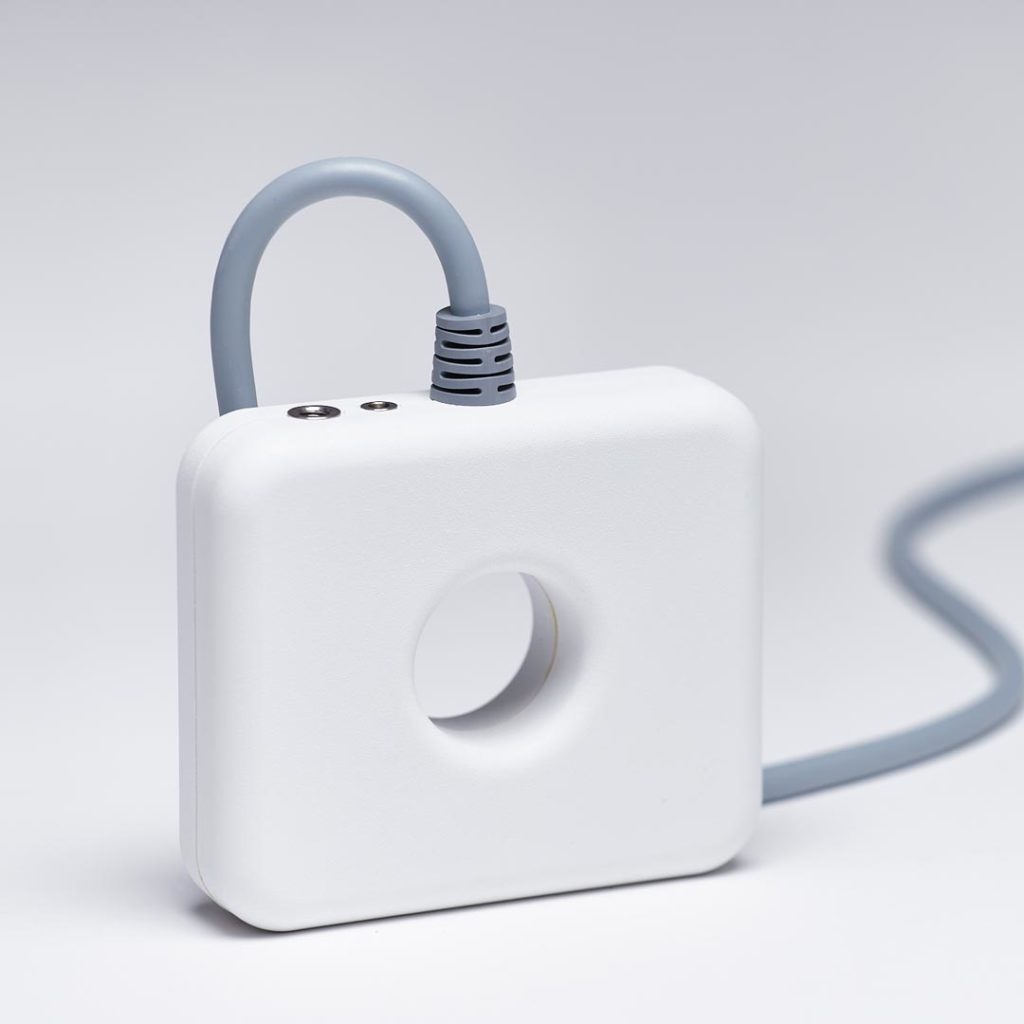
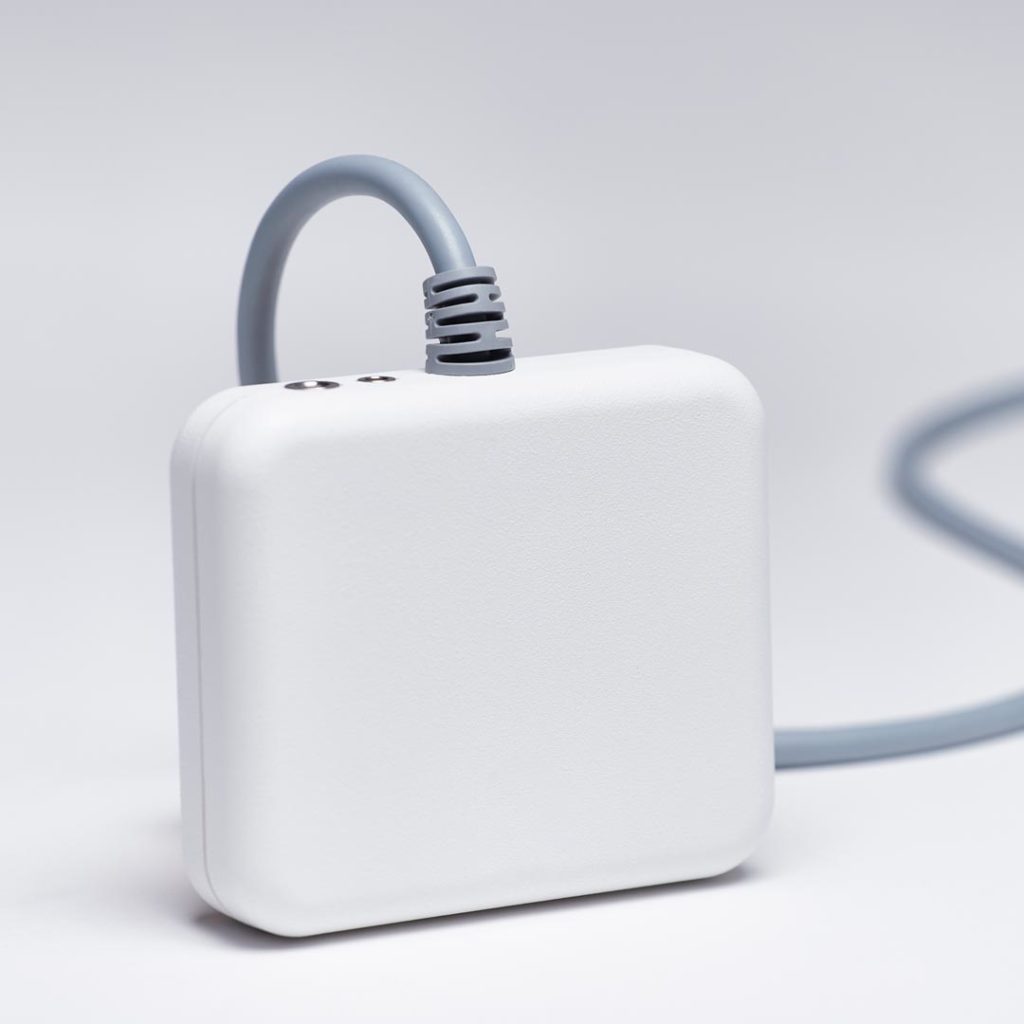
Aurora® Field Generators
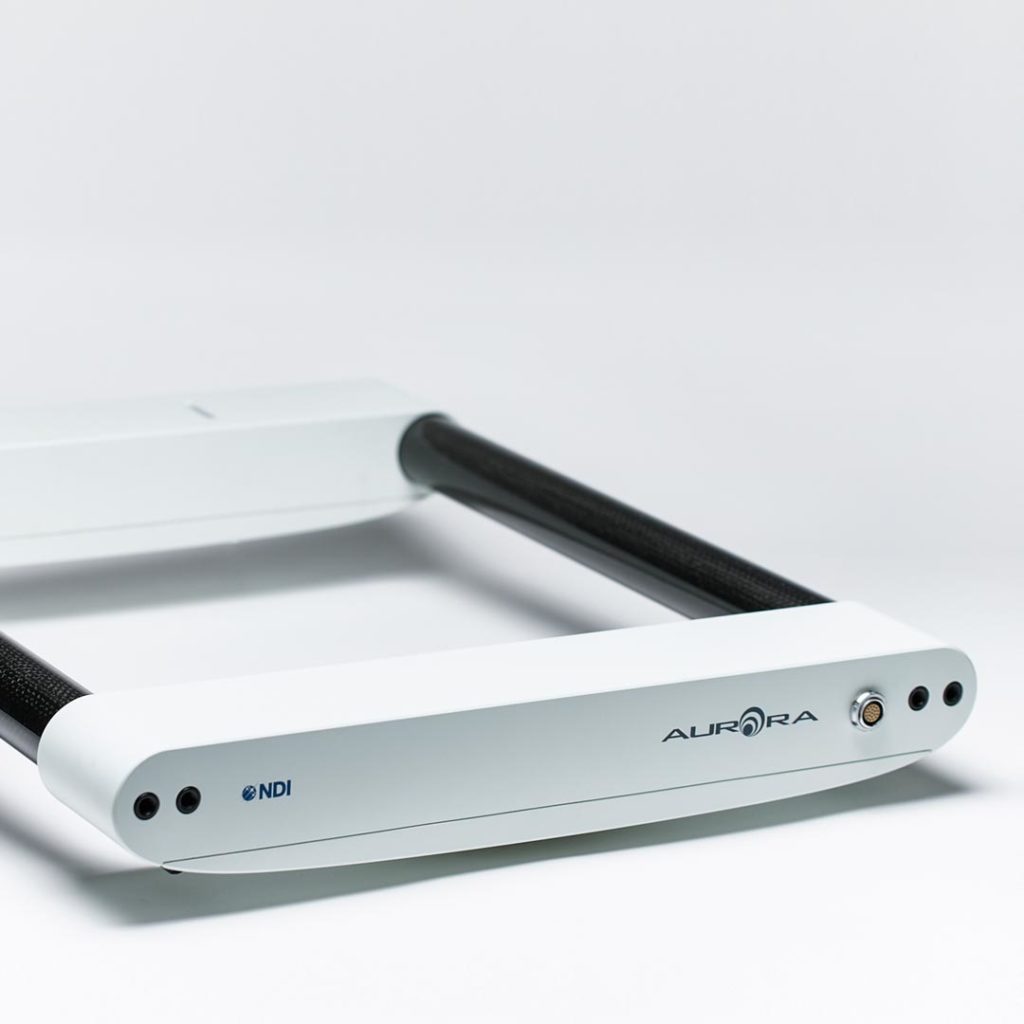
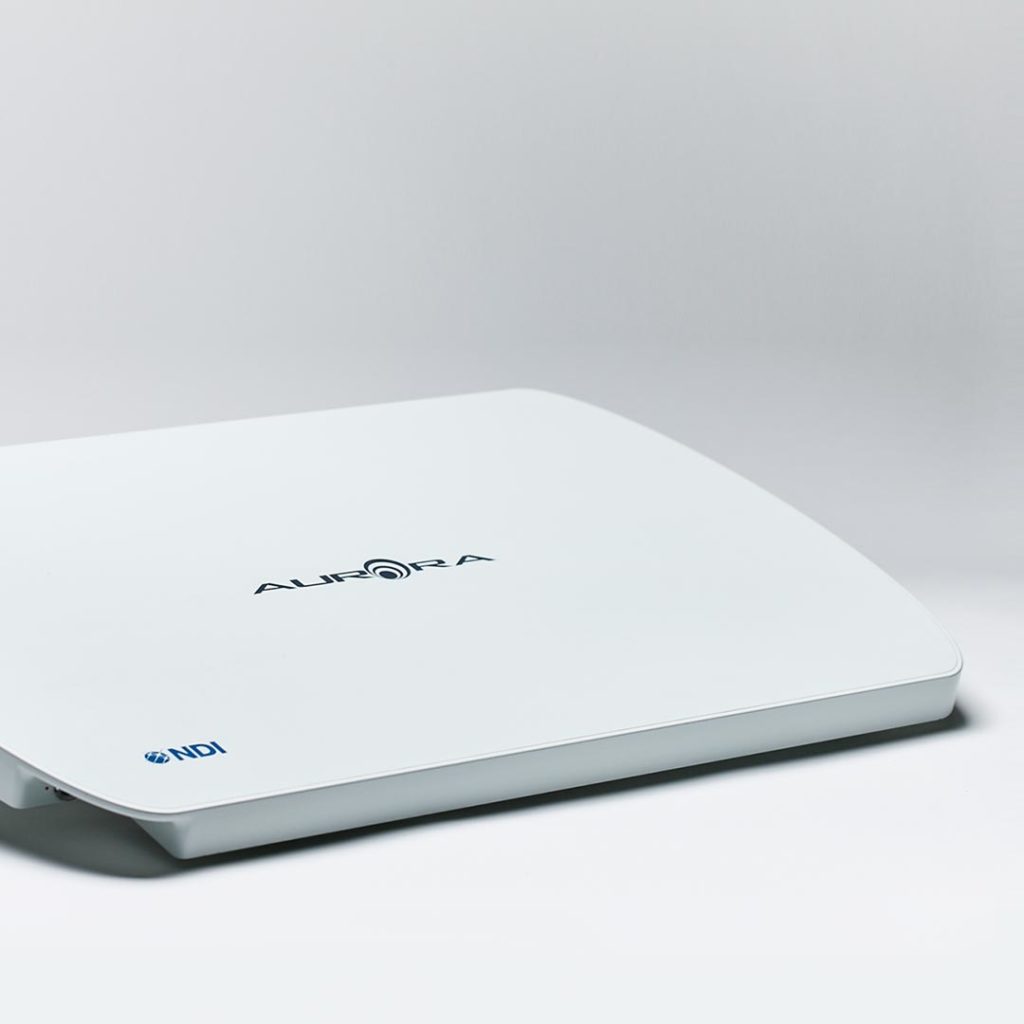
Aurora Field Generators emit a low-intensity, EM field for sensor detection. Each provides distinct value when it comes to tracking volume, accuracy, placement and frequency.
There are 6 Field Generators options:
Planar 10-11
The choice of Field Generator for localized handheld tracking.
Planar 10-11 H
The choice of Field Generator for localized handheld tracking.
Planar 20-20 V2
The choice of Field Generator for extended volume for larger tracking spaces. Mounts to bedside, OEM ultrasound cart, or separate stand that rolls in and out of the procedure when needed.
Planar 20-20 X2
The choice of Field Generator for large volume procedures that require small sensors and a level of immunity from active metal interference from tools like shavers.
Window 50-60
The choice of Field Generator for fluoroscopy-based procedures.
Tabletop 50-70
The choice of Field Generator for procedures requiring a large tracking volume of the patient trunk and shielding from metals in the patient table.
Aurora Field Generator Comparison
| Name | Dimensions | Weight | Mounting | Tracking Volume |
|---|---|---|---|---|
| Planar 10-11 | 11.2 x 9.7 x 3.1 cm | 650 g | M6 screw mounting hole and 4mm anti-rotation pin | 34 cm radius (dome) 17 cm radius (cylinder) |
| Planar 10-11H | 11.2 x 9.7 x 3.1 cm center aperture (ø34 mm) | 650 g | M6 screw mounting hole and 4mm anti-rotation pin | 34 cm radius (dome) 17 cm radius (cylinder) |
| Planar 20-20 V2 | 20 x 20 x 7.1 cm | 2.6 kg | Four M8 mounting holes, or mounting interface compatible with optional mounting arm | 66.0 cm radius (dome) 48.0 cm radius (cylinder) 50 x 50 x 50 cm (cube) |
| Planar 20-20 X2 | 20 x 20 x 5.4 cm | 2.3 kg | Four M8 mounting holes, or mounting interface compatible with optional mounting arm. Table mounting, ceiling mount & mounting to a moving cart. | 66.0 cm radius (dome) 48.0 cm radius (cylinder) 50 x 50 x 50 cm (cube) |
| Window 50-60 | 55.4 x 46 x 6.89 cm | 5.2 kg | Eight M8 tapped holes to mount the unit under the patient table | 60 cm radius (dome) 25 cm radius (cylinder) |
| Tabletop 50-70 | 50.7 x 76.2 x 3.4 cm | 13.3 kg | Placed directly on patient table | 60 cm radius (dome) 42 x 60 cm radius (ellipse) |

Aurora® Sensors
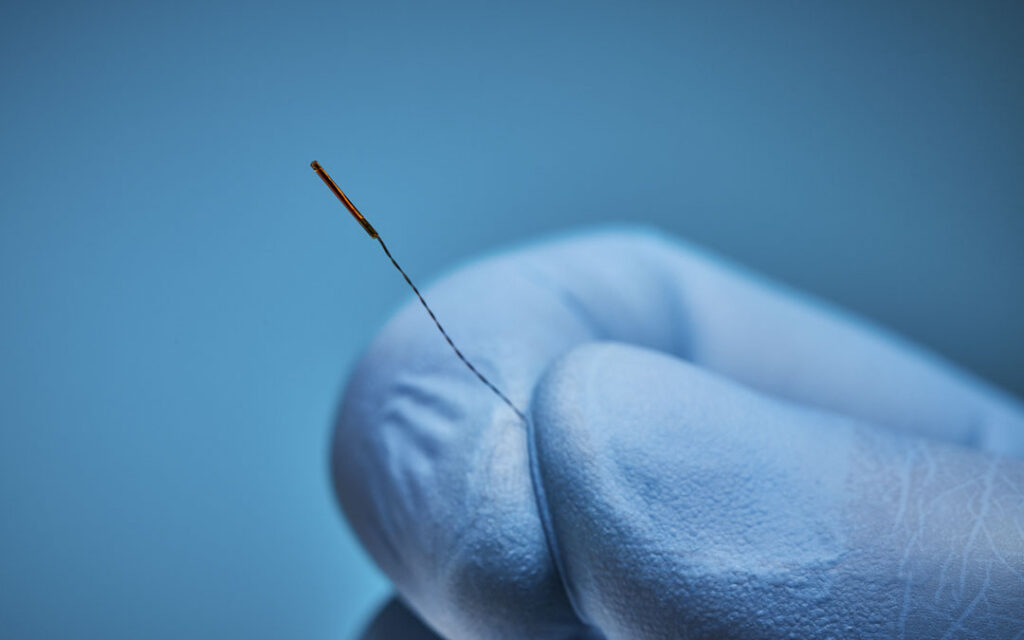
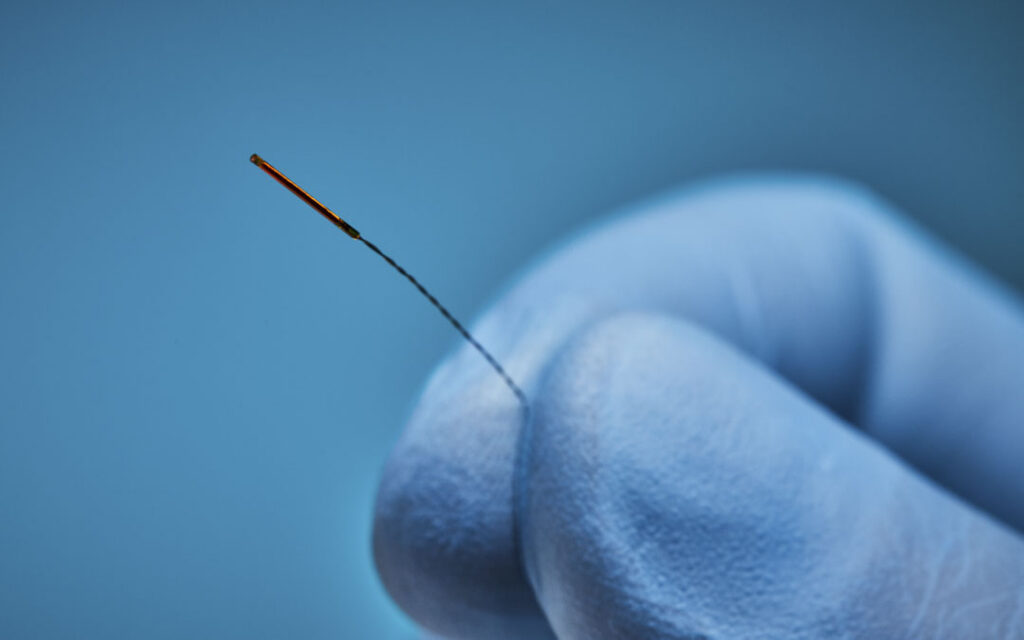
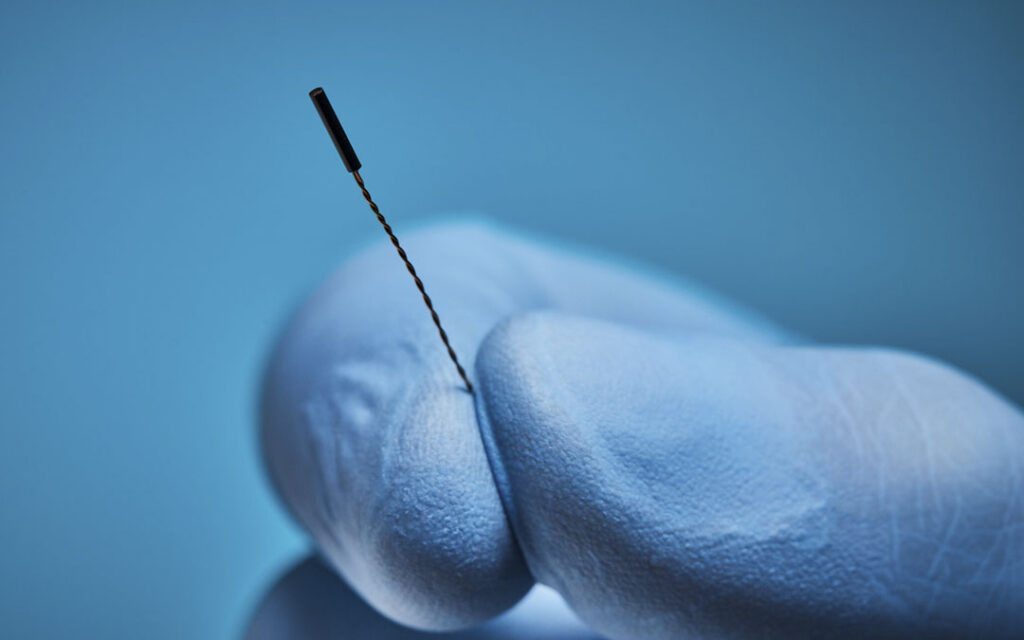
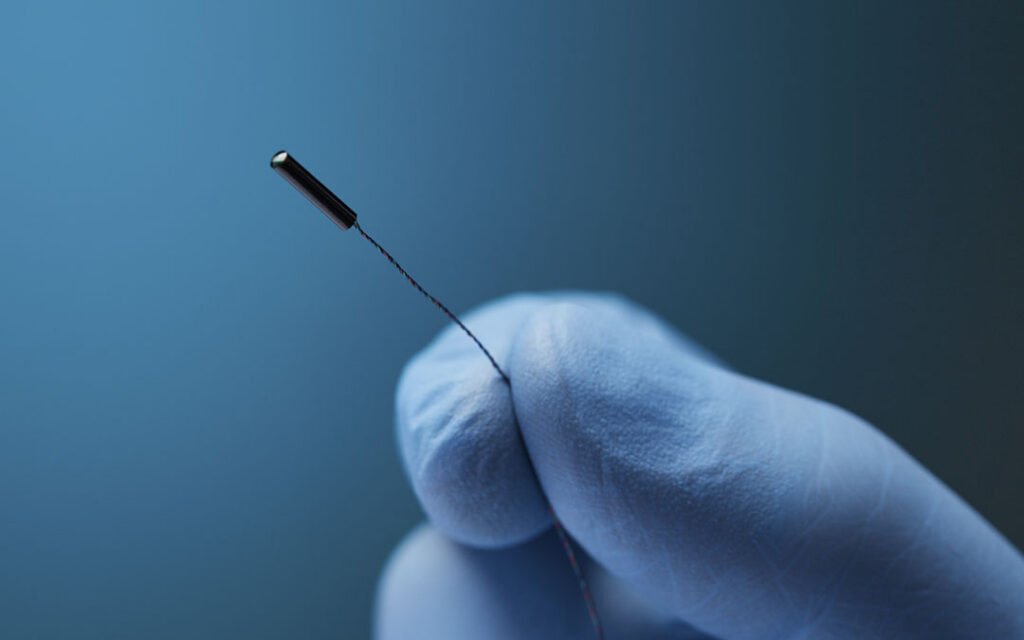
The Aurora system requires sensors to track the instrument. The Aurora portfolio offers 20+ standard sensors for both 5DOF and 6DOF instrument tracking. These sensors are available in two primary forms, solid and PCB, each offered in multiple sizes, options, and integration configurations to accommodate various medical instruments and procedures.
5DOF and 6DOF Sensors
5DOF 0.3mm Sensors
Our smallest sensors developed to date with the smallest of the family at 0.3mm x 2.5mm. Designed for needles, catheters or other tools that have space constraints
5DOF 0.4mm Sensors
Our miniature sensors are designed to be combined to create 6DOF. Designed for needles, catheters or other tools that have space constraints.
5DOF 0.8mm Sensors
Our mid-tier sensors for a more robust application requiring 5DOF solid sensors. Designed for larger channels that have high bending cycle.
5DOF 0.9mm Sensors
Our largest 5DOF sensors for the most robust applications requiring a solid 5DOF sensor with the strongest signal from the 5DOF solid sensors. Designed for larger channels that have high bending cycle.
6DOF 0.9/1.8 Sensors
Smallest 6DOF sensors designed for applications where robustness and 6DOF is required.
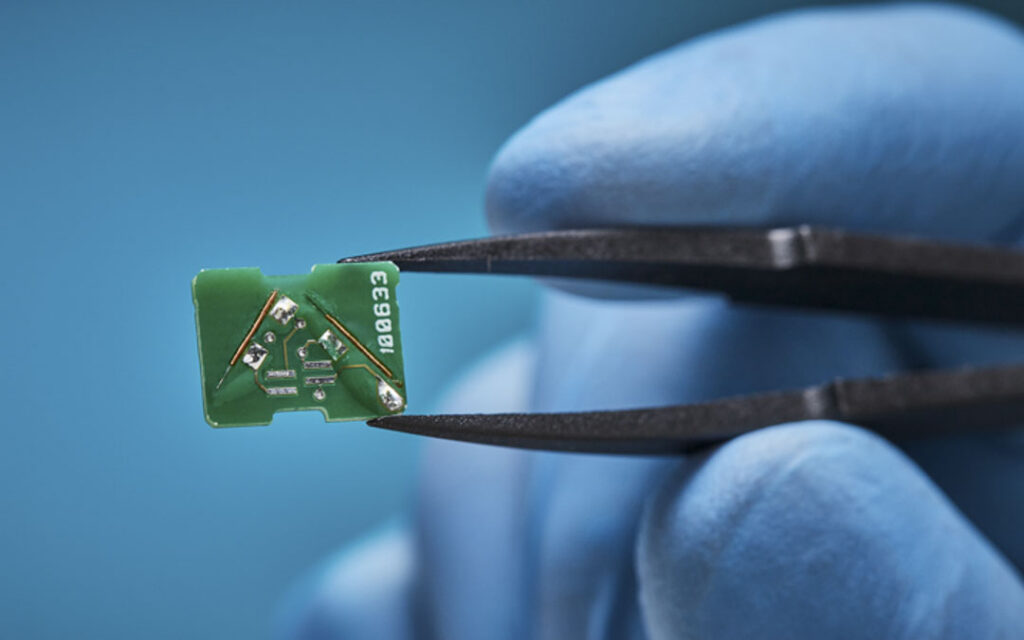
6DOF PCB Sensors
Largest sensors with the strongest signal. Designed for applications where large tools require tracking like ultrasound probes or laparoscopes
Aurora® Development Tools & Accessories
Designed to complement the Aurora® Electromagnetic tracking systems, NDI offers a complete range of accessories, demonstrators and kits to accelerate OEM development, testing and innovation.
Cables
Cables with twisted pairs to connect a sensor of choice. Does not include the connector.
Cable Assemblies
Cables with twisted pairs to connect a sensor of choice and includes a connector.
Sensor Assemblies
Cable with a sensor and connector where the sensor is not enclosed. This allows for further customization of the tool itself.
Demonstrators
Non-medical assembled tools with a connector and cable. These are complete tools and used for training, testing and demonstration purposes only.
Tool Developer Kits
Includes all the pieces needed to make your own sensorized tool. Includes items like a cable, connector, sensor and more as separate pieces.
OEM Applications
NDI provides optical and electromagnetic tracking technology for OEMs across a range of markets. These technologies are designed as OEM components for integration into medical devices developed by OEM partners for image-guided, navigation, and positioning applications.
Cardiology
NDI electromagnetic tracking technology provides positional data for OEM systems used in cardiac electrophysiology and catheter-based interventional workflows.
Ears, Nose, & Throat
NDI tracking technology provides positional data for OEM navigation systems used in endoscopic and skull base procedures.
Pulmonology
NDI tracking technology provides positional data for OEM navigation systems used in pulmonary procedures including bronchoscopy.
Urology
NDI tracking technology provides positional data for OEM navigation systems used in prostate and urologic procedures.
Interventional Oncology
NDI tracking technology provides positional data for OEM systems used in image-guided interventional oncology workflows.
Developing a Navigation System with Electromagnetic Tracking?
Connect with our Product Integration team to identify the right Aurora field generator, sensor, and electronics configuration for your cardiology, ENT, pulmonology, or interventional oncology system.