



Optical Tracking for Cranial Navigation and Neurosurgery
As cranial neurosurgery shifts from frame-based to frameless navigation, and robotic adoption grows across workflows, OEMs are building navigation systems that demand the highest levels of accuracy and multi-component tracking capability. Polaris® Optical Tracking provides real-time, sub-millimetre data that supports computer-assisted and robotic cranial navigation.
OEM Cranial Neurosurgery, Robotics, and Neuromodulation Systems
with Polaris® Optical Tracking
Polaris provides the real-time positional data that connects pre-operative imaging, intraoperative tracking, and system-level feedback inside OEM cranial navigation, robotic, and neuromodulation workflows.
High-Accuracy Targeting
Sub-millimetre tracking data that OEM navigation systems can use to support trajectory planning, electrode placement, and instrument localization in cranial procedures.
High-Speed Tracking
Low-latency performance designed to support dynamic cranial robotic workflows and uninterrupted trajectory execution.
Integrated System Tracking
Supports coordination across robotic systems, instruments, and imaging workflows, including CT and MRI environments.
Trusted by OEMs Building the Next Generation of Cranial Navigation
Real stories from the people who make NDI exceptional.
Disclaimer: Individual customer experience. Results may vary based on OEM system and clinical application.
With NDI Optical navigation, we are confident in the quality and the accuracy of visor2™ TMS Neuronavigation solution that we provide to our customers“
Sebastian Carstens
Head of Product Management, ANT Neuro
Robotic-Assisted Cranial Navigation
Polaris integrates into OEM robotic cranial systems to provide high-speed instrument, anatomy, and robotic component tracking, supporting multi-trajectory planning, electrode placement, and robotic biopsy guidance within OEM robotic workflows.
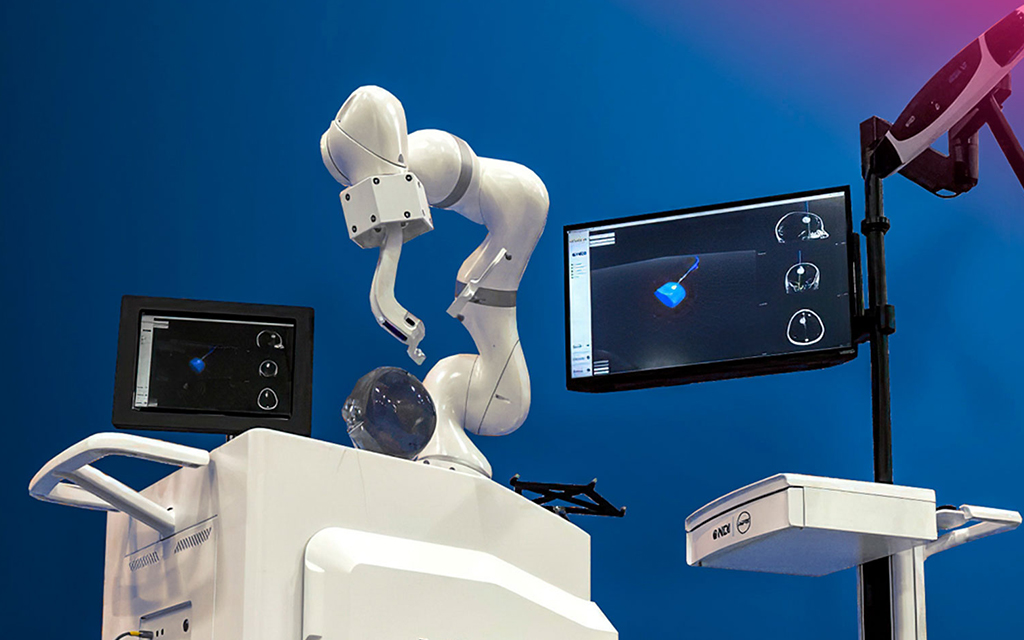
What Polaris tracks in Robotic-Assisted Cranial Navigation:
Robotic Arm Components
Polaris tracks the robotic base and end-effector in real-time, providing positional feedback for multi-trajectory planning and robotic path execution.
Handheld Surgical Instruments
Pointers, biopsy tools, and electrode holders are tracked to support real-time navigation guidance during intracranial procedures.
Patient Reference Frames
Cranial reference frames maintain spatial registration between the patient, the robotic system, and pre-operative imaging throughout the case.
Imaging Devices
Intraoperative imaging systems (CT, MRI) are tracked to maintain registration and alignment verification during complex procedures.
Recommended Products
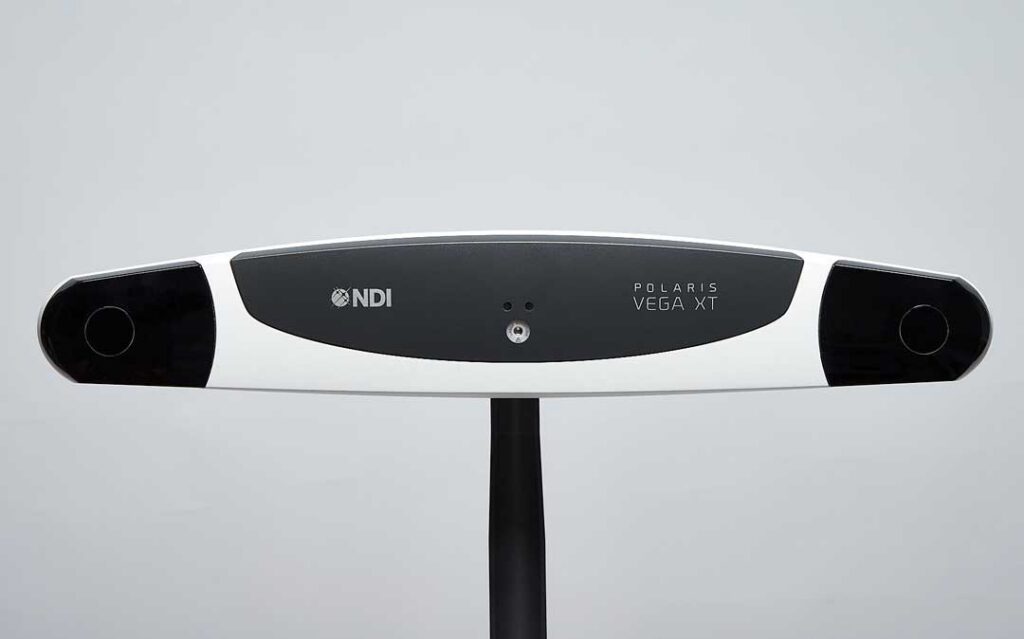
Polaris Vega® XT
High-speed, low-latency tracking for robotic arm coordination, multi-trajectory planning, and real-time instrument positioning in cranial robotic workflows.
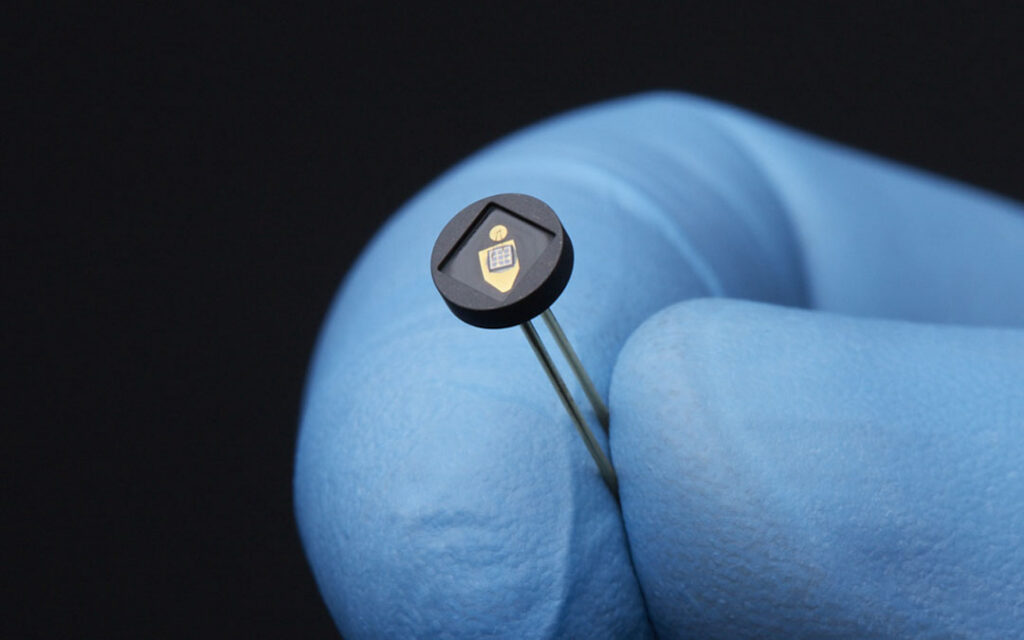
Polaris IRED Active Markers
Reusable, compact active markers designed to maintain visibility under surgical draping. Used for tracking robotic bases and end-effectors.
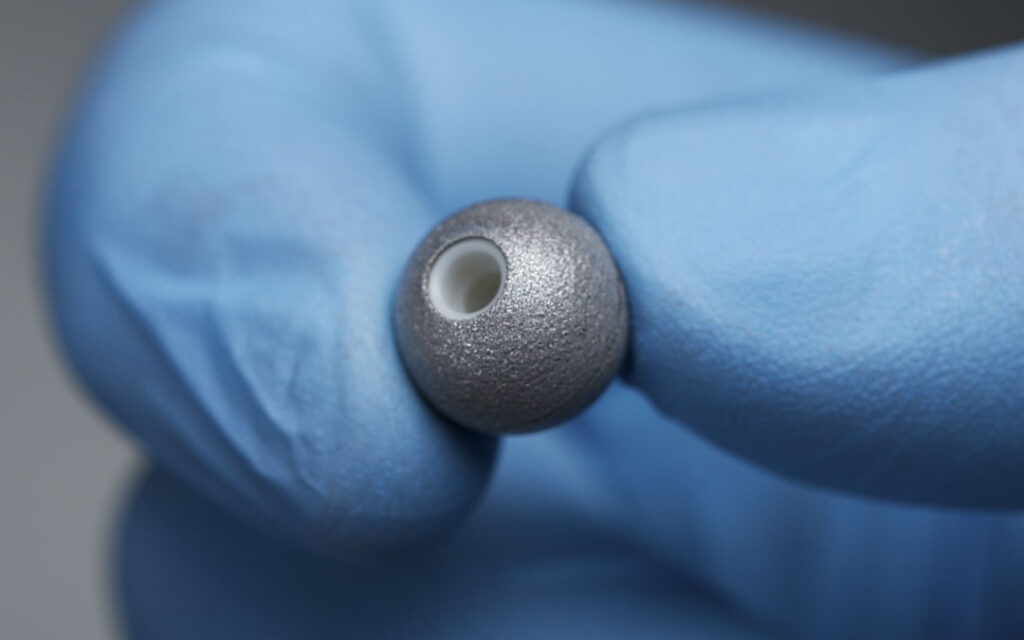
NDI Passive Spheres™
FDA-cleared, single-use reflective markers for handheld instruments and patient reference frames in cranial procedures.
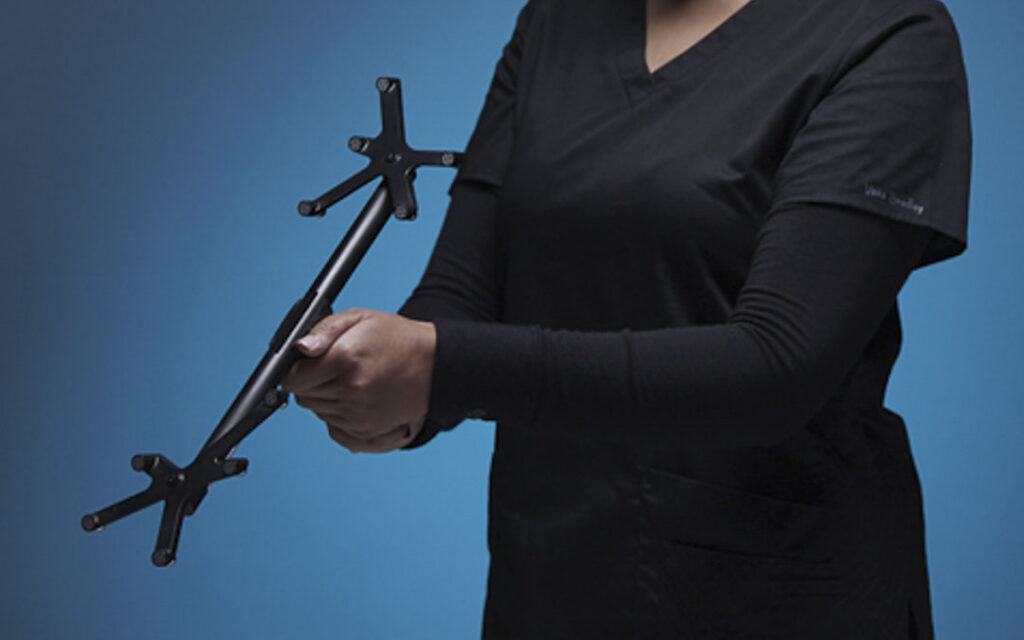
Polaris Accuracy Assessment Kit™ (AAK)
Portable, on-demand accuracy verification for Polaris Optical Trackers. Supports routine accuracy checks on the manufacturing floor, in clinical environments, or in research settings.
Computer-Assisted Cranial Navigation
Polaris integrates into OEM cranial navigation systems to provide real-time positional data for instruments and anatomy tracking, used in navigated OEM workflows like tumor localization, DBS, SEEG, and LITT procedures.
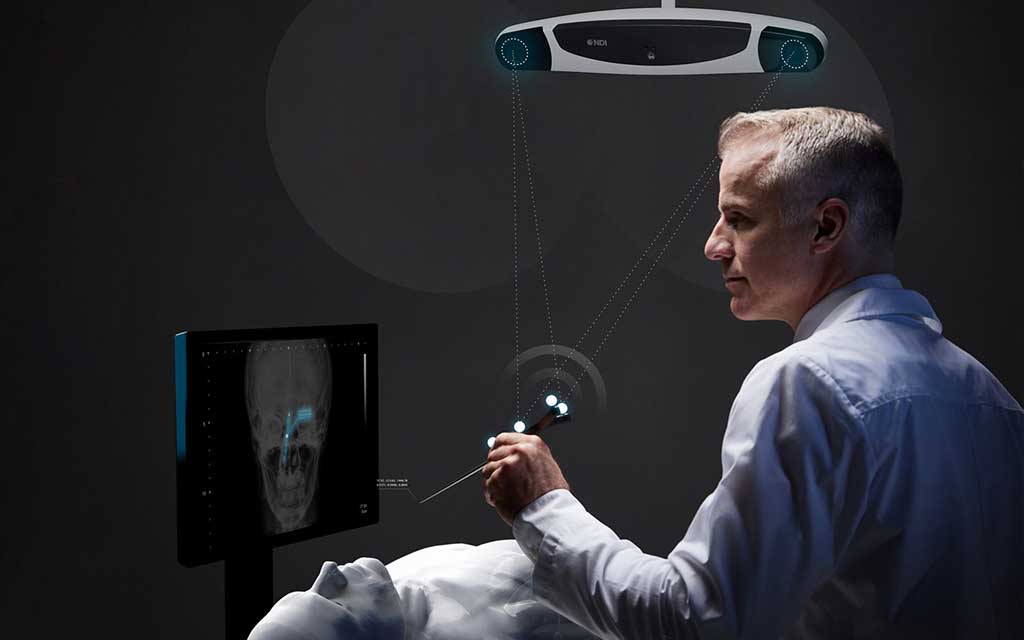
What Polaris Tracks in Computer-Assisted Cranial Navigation:
Handheld Surgical Instruments
Polaris tracks pointers, biopsy tools, and electrode holders in real-time, providing positional data that navigation systems use to guide trajectory execution and instrument placement.
Patient Reference Frames
Cranial reference frames maintain registration between the patient and pre-operative imaging (CT, MRI). Polaris tracks these frames to support spatial alignment throughout the procedure.
Imaging Devices
Polaris tracks the spatial relationship between intraoperative imaging systems and patient anatomy, supporting registration verification and imaging-to-patient alignment.
Recommended Products
Polaris Vega® XT
Sub-millimetre tracking across a large measurement volume. Supports precise image-to-patient registration and instrument tracking.
NDI Passive Spheres™
FDA-cleared, single-use reflective markers for handheld instruments and cranial reference frames.
Polaris Accuracy Assessment Kit™ (AAK)
Portable, on-demand accuracy verification for Polaris Optical Trackers. Supports routine accuracy checks on the manufacturing floor, in clinical environments, or in research settings.
External Neuromodulation Navigation
Polaris integrates into OEM neuronavigation systems to provide real-time instrument tracking, supporting OEM workflows like TMS and High-Intensity Focused Ultrasound (HIFU) for target alignment and session-to-session reproducibility.
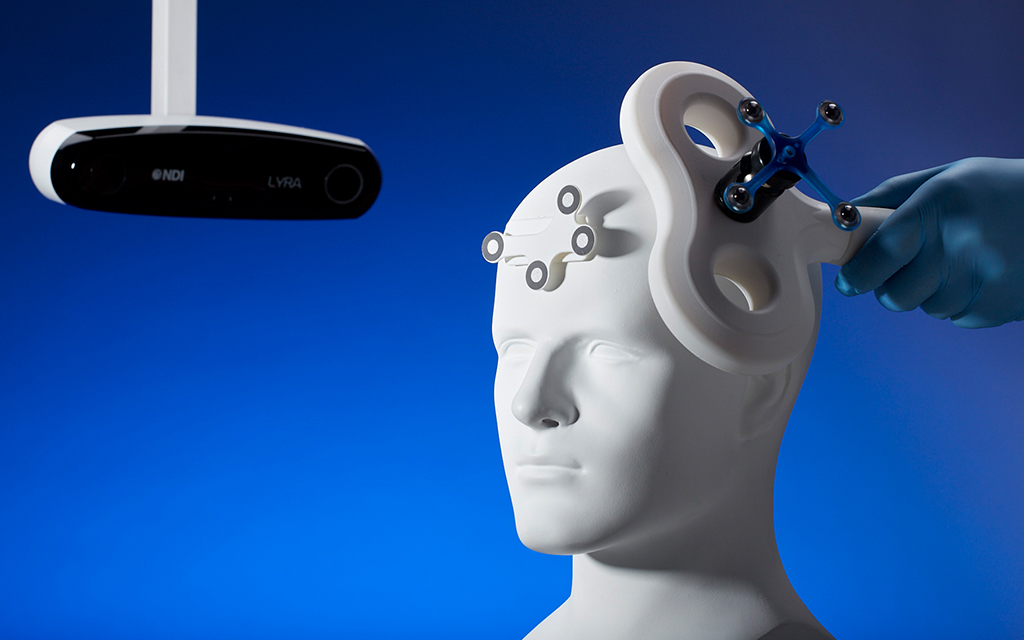
What Polaris Tracks in External Neuromodulation Navigation:
Stimulation Devices
Polaris tracks the stimulation devices in real-time, providing positional data that OEM neuronavigation systems use within their target positioning workflows.
Patient Reference Markers
Reference markers maintain registration between the patient and pre-procedural MRI. Polaris tracks these markers to support targeting reproducibility across treatment sessions.
Recommended Products
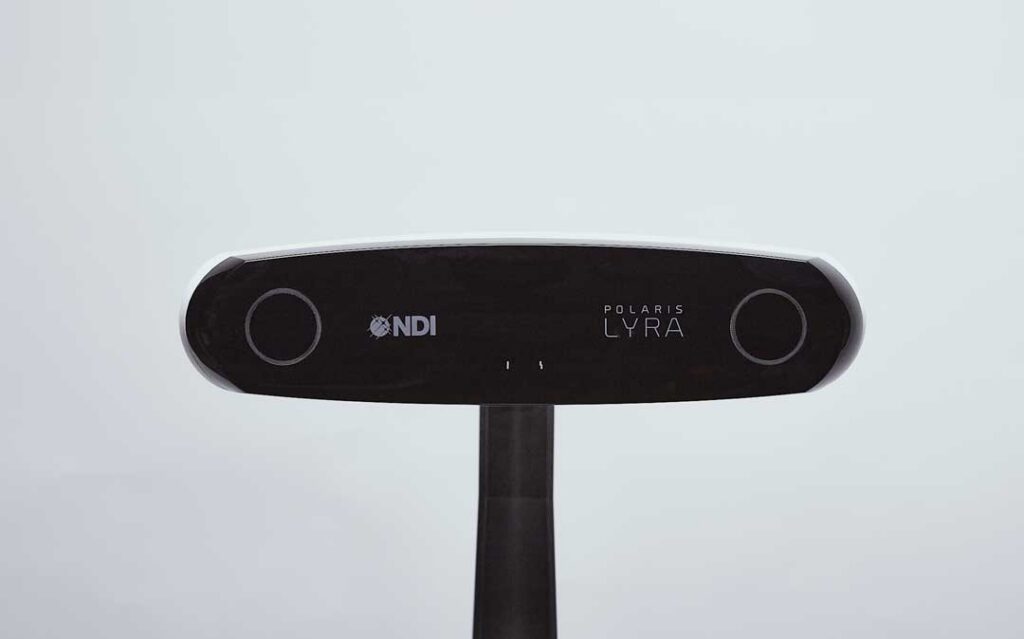
Polaris Lyra®
Compact, cart-mountable Optical tracking with sub-millimetre accuracy. Designed for the space-constrained clinical environments where TMS is typically delivered.
NDI Passive Spheres™
FDA-cleared, single-use reflective markers for handheld instruments and patient reference frames in cranial procedures.
Polaris Accuracy Assessment Kit™ (AAK)
Portable, on-demand accuracy verification for Polaris Optical Trackers. Supports routine accuracy checks on the manufacturing floor, in clinical environments, or in research settings.
Building a Next-Generation Cranial Navigation or Neuromodulation System?
Connect with our Product Integration team to identify the right Polaris tracking configuration
for your system architecture.
Frequently Asked Questions: Optical Tracking for Cranial Navigation
Why does tracking matter in cranial neurosurgery?
Cranial procedures operate within an extremely low tolerance for positional error. Whether an OEM system is guiding DBS electrode placement, executing a multi-trajectory SEEG plan, or supporting a biopsy, the navigation system must maintain sub-millimetre accuracy from registration through instrument placement. Without continuous tracking data, OEM systems cannot provide real-time positional feedback for trajectory execution. As cranial navigation shifts from frame-based to frameless approaches and robotic adoption grows across SEEG, DBS, and biopsy workflows, the precision and reliability of the tracking system is a foundational decision for OEMs building cranial navigation and robotic systems.
What types of cranial procedures does NDI optical tracking support?
NDI Polaris optical tracking supports OEM development of navigation and robotic systems for tumor localization and biopsy, stereoelectroencephalography (SEEG), deep brain stimulation (DBS), laser interstitial thermal therapy (LITT), and transcranial magnetic stimulation (TMS).
Why is sub-millimetre accuracy critical in cranial navigation?
Cranial procedures have an extremely low tolerance for error. In functional neurosurgery, such as DBS electrode placement or SEEG, even a small deviation from the planned trajectory can affect the performance of the OEM navigation system. Sub-millimetre tracking accuracy provides the positional data layer that OEM navigation systems incorporate into registration, tracking, and instrument localization workflows throughout the procedure.
Which NDI products are recommended for robotic cranial navigation?
For robotic cranial workflows, NDI recommends the Polaris Vega XT for high-speed, sub-millimetre tracking across a large measurement volume. Polaris IRED Active Markers support tracking of robotic bases and end-effectors under surgical draping, and NDI Passive Spheres are used for handheld instruments and reference frames.
Which NDI products are recommended for computer-assisted cranial navigation?
For computer-assisted cranial navigation, NDI recommends the Polaris Vega XT for sub-millimetre accuracy and a large measurement volume, paired with NDI Passive Spheres for instrument and reference frame tracking.
Which NDI products are recommended for TMS neuronavigation?
For TMS navigation, NDI recommends the Polaris Lyra for its compact, cart-mountable form factor and sub-millimetre accuracy, paired with NDI Passive Spheres for coil and instrument tracking.
How does the Polaris Accuracy Assessment Kit (AAK) support cranial procedures?
The Polaris AAK enables convenient, on-demand verification of optical tracker accuracy on the manufacturing floor, in the clinical environment, or in research settings. For intracranial procedures where sub-millimetre precision is critical, routine accuracy checks help maintain confidence in tracking system performance.
Can NDI optical tracking support both robotic and handheld instruments in the same procedure?
Yes. The Polaris Vega XT supports simultaneous tracking of multiple tool types within its measurement volume. In a typical cranial robotic workflow, the system tracks the robotic base, arm, end-effector, handheld instruments, and patient reference frames concurrently using a combination of Active Markers and Passive Spheres.
Can NDI support both optical and electromagnetic tracking for cranial applications?
NDI provides both Polaris optical tracking and Aurora electromagnetic tracking technologies. For cranial navigation and robotic-assisted neurosurgery, Polaris optical tracking is the recommended technology due to its sub-millimetre accuracy and suitability for tracking instruments and robotic components in surgical environments. Aurora electromagnetic tracking is used in applications where line of sight is obstructed.